


Every day, billions of people use the internet to shop, bank, communicate, work, and access information.
While technology has made life easier, it has also created new risks.
Cybercriminals are constantly looking for ways to steal information, access accounts, spread malware, and exploit vulnerabilities.
This is where cybersecurity becomes important.
Whether you are a student, business owner, employee, or casual internet user, understanding cybersecurity is no longer optional. It is a basic digital skill.
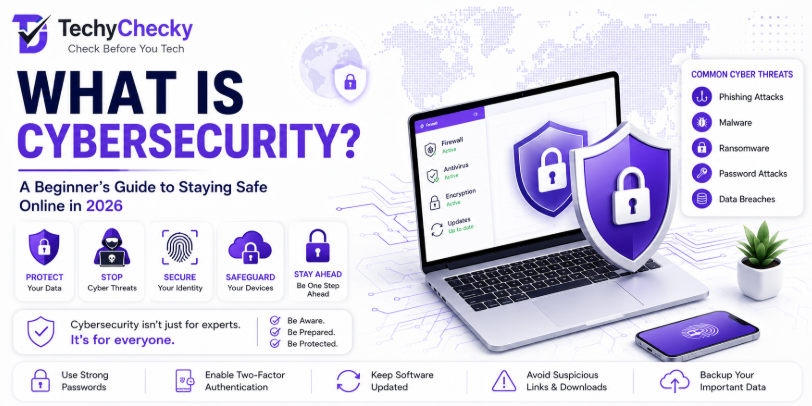
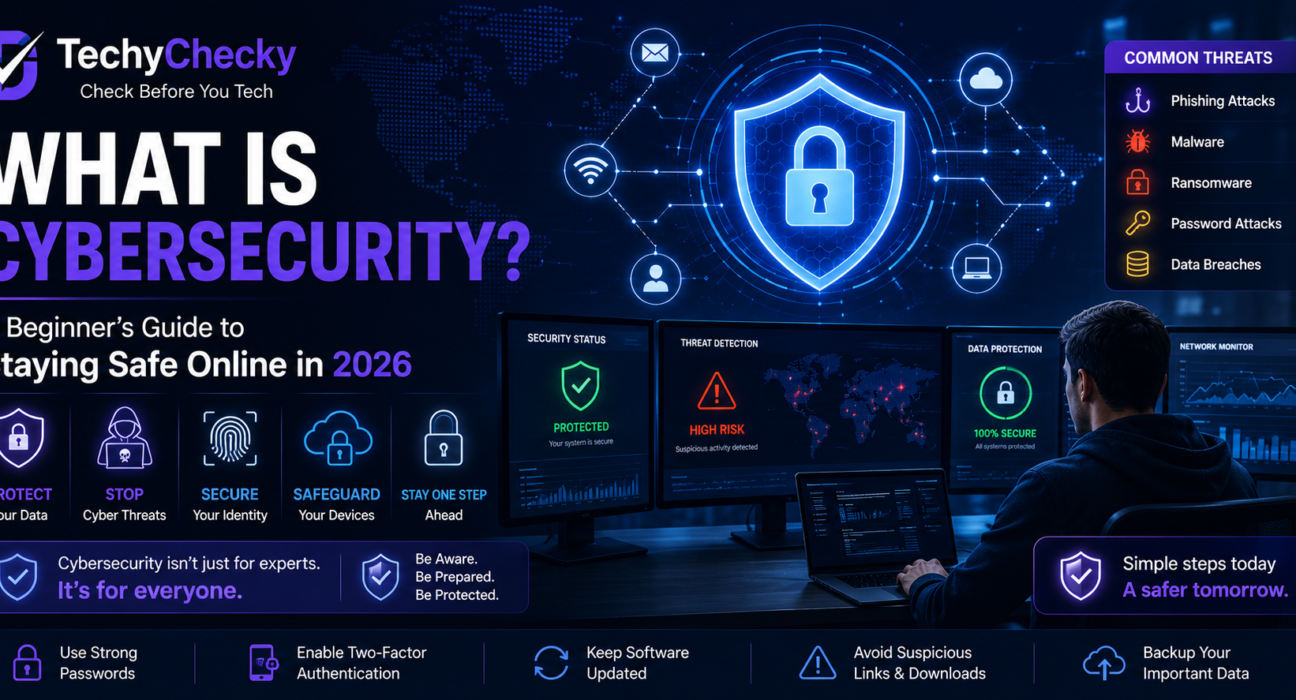
What Is Cybersecurity?
Cybersecurity refers to the practice of protecting computers, networks, devices, applications, and data from unauthorized access, attacks, and damage.
In simple terms, cybersecurity is the process of keeping your digital life safe.
Just as you lock your home to protect your belongings, cybersecurity helps protect your digital assets.
These assets may include:
- Personal information
- Passwords
- Bank account details
- Business data
- Customer records
- Emails
- Photos and documents
Cybersecurity helps prevent criminals from accessing or stealing this information.
Why Cybersecurity Matters
Many people believe cybercriminals only target large corporations.
That is not true.
Small businesses and individuals are often targeted because they may have weaker security measures.
A successful cyberattack can result in:
- Financial loss
- Identity theft
- Data breaches
- Reputation damage
- Business disruption
As more of our lives move online, cybersecurity becomes increasingly important.
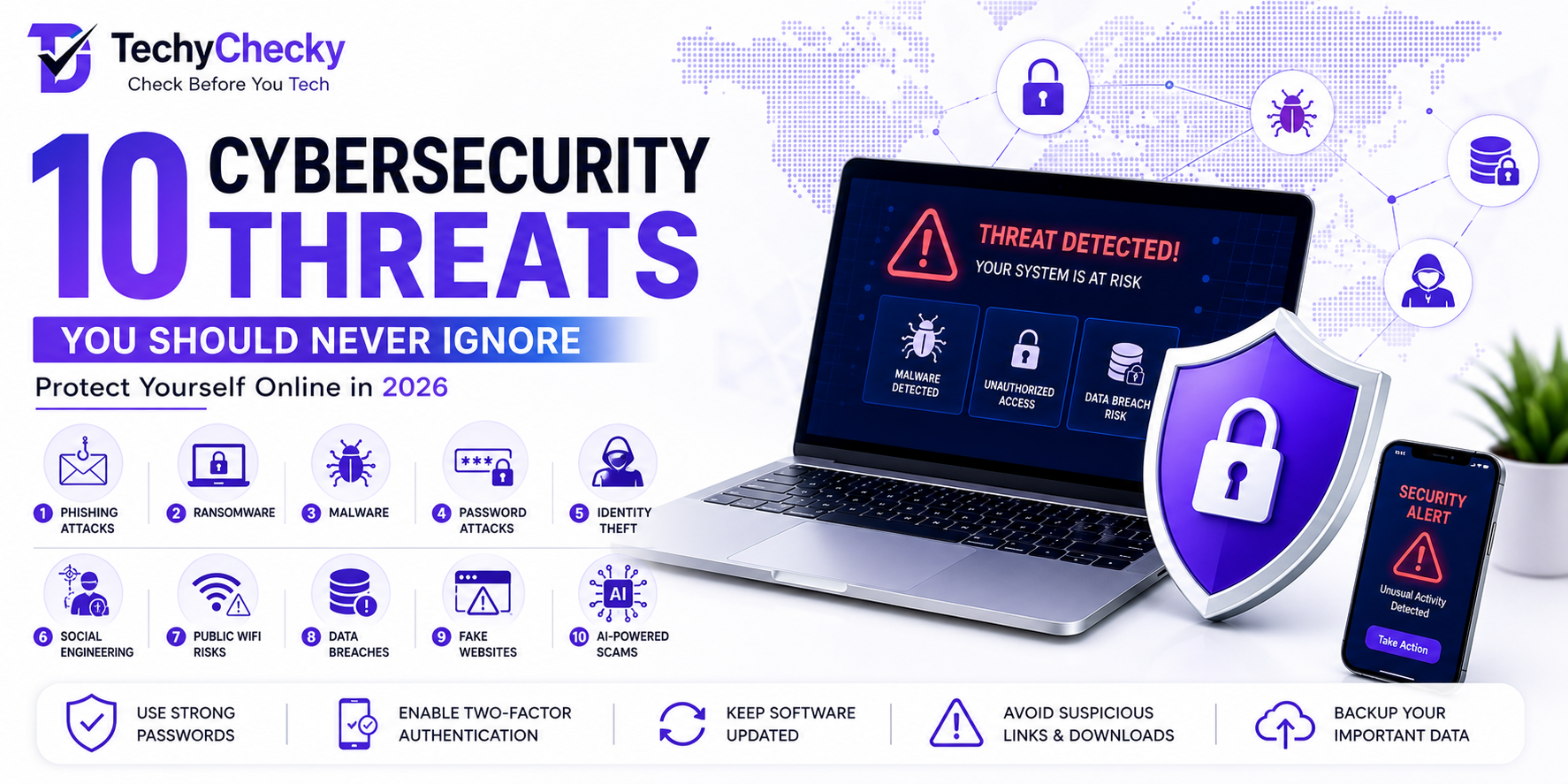
Common Cybersecurity Threats
Phishing Attacks
Phishing is one of the most common cyber threats.
Attackers send fake emails, messages, or websites designed to trick people into revealing sensitive information.
A phishing email may appear to come from a bank, delivery company, or popular service.
The goal is usually to steal passwords or financial information.
Malware
Malware is malicious software designed to damage systems or steal information.
Examples include:
- Viruses
- Spyware
- Trojans
- Keyloggers
Malware often spreads through suspicious downloads, infected websites, or malicious email attachments.
Ransomware
Ransomware locks files or systems and demands payment to restore access.
Many businesses around the world have experienced costly ransomware attacks.
Even small organizations can become victims.
Password Attacks
Weak passwords make it easier for attackers to access accounts.
Cybercriminals use automated tools to guess common passwords and gain unauthorized access.
Data Breaches
A data breach occurs when sensitive information is exposed or stolen.
This information may include customer data, financial records, or confidential business information.
How Cybersecurity Protects You
Cybersecurity involves multiple layers of protection.
These include:
Strong Passwords
Long and unique passwords make accounts harder to compromise.
Multi Factor Authentication
Additional verification steps provide extra security even if a password is stolen.
Antivirus Protection
Security software helps detect and remove threats before they cause damage.
Firewalls
Firewalls monitor network traffic and block suspicious activity.
Security Updates
Software updates often include important security fixes that help protect against new threats.
Cybersecurity for Businesses
Businesses face increasing cybersecurity challenges.
Customer information, payment details, and company data are valuable targets for cybercriminals.
Business cybersecurity often includes:
- Employee training
- Network security
- Data backups
- Access controls
- Threat monitoring
- Incident response planning
A single security incident can be extremely expensive.
Prevention is usually far less costly than recovery.
Signs You May Be Under Attack
Some warning signs include:
- Unexpected password changes
- Strange account activity
- Unknown software installations
- Unusual popups
- Slow system performance
- Suspicious login notifications
Recognizing these signs early can help reduce damage.
The Future of Cybersecurity
As technology evolves, cyber threats continue to become more sophisticated.
Artificial Intelligence is now being used by both security professionals and cybercriminals.
Organizations are investing heavily in advanced security solutions to stay ahead of emerging threats.
Cybersecurity is expected to remain one of the fastest growing areas of technology for many years to come.
Final Thoughts
Cybersecurity is not just a concern for technology experts.
It affects everyone who uses the internet.
The good news is that basic security habits can dramatically reduce your risk.
Strong passwords, regular updates, multi factor authentication, and awareness of online threats can make a significant difference.
The digital world offers incredible opportunities, but staying safe requires knowledge and vigilance.
At TechyChecky.com, we believe informed users make safer technology decisions.
Check Before You Tech.