


Most people think cybercriminals only target large corporations.
The reality is very different.
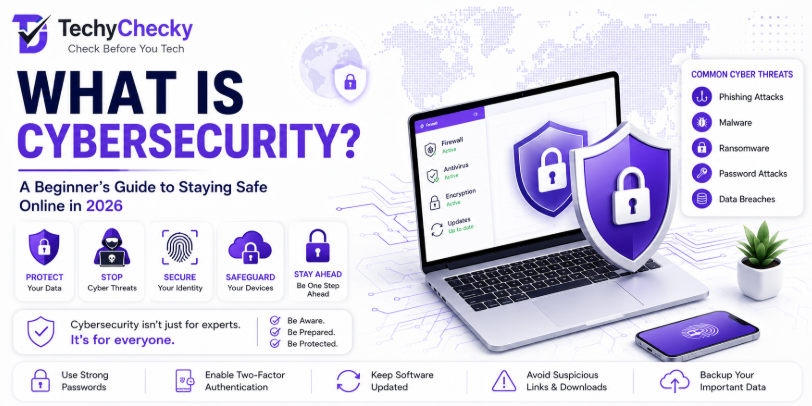
Every day, millions of ordinary internet users become targets of scams, phishing attacks, malware infections, and data theft attempts. Whether you use a smartphone, a laptop, online banking, social media, or email, you are a potential target.
Cybercriminals are constantly finding new ways to exploit human mistakes and technological vulnerabilities.
Understanding the most common threats is one of the best ways to protect yourself.
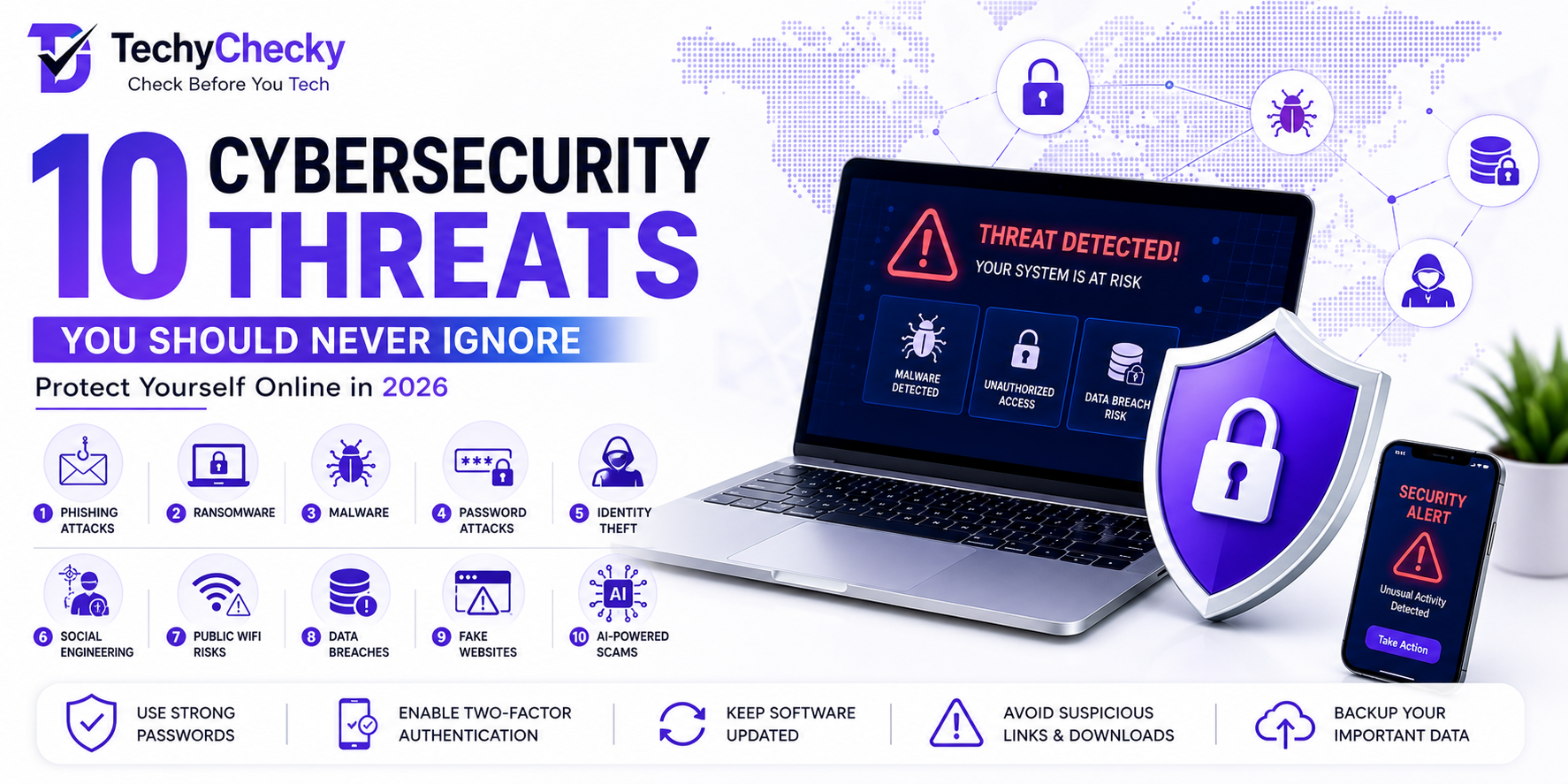
Here are ten cybersecurity threats you should never ignore in 2026.
1. Phishing Attacks
Phishing remains one of the most successful cyberattack methods.
Attackers send emails, text messages, or social media messages pretending to be trusted organizations.
These messages often create a sense of urgency.
You may receive a message claiming:
- Your bank account has been locked
- Your package delivery failed
- Your password needs verification
- Your account has been compromised
The goal is to trick you into revealing sensitive information.
Always verify the source before clicking links or sharing personal details.
2. Ransomware
Ransomware is a type of malicious software that locks files or entire systems.
Attackers then demand payment in exchange for restoring access.
Businesses, hospitals, schools, and individuals have all become victims of ransomware attacks.
Regular backups remain one of the most effective defenses.
3. Malware
Malware is a broad term that refers to harmful software designed to damage systems or steal information.
Examples include:
- Viruses
- Spyware
- Trojans
- Worms
Malware often enters systems through infected downloads, malicious websites, or suspicious email attachments.
4. Password Attacks
Weak passwords remain a major security risk.
Many people still use:
- 123456
- password
- qwerty
- birth dates
Cybercriminals use automated tools capable of testing thousands of password combinations every second.
Strong and unique passwords are essential.
5. Identity Theft
Identity theft occurs when criminals obtain personal information and use it for fraudulent purposes.
Stolen information may include:
- National identification details
- Financial information
- Login credentials
- Personal records
Victims often face financial and legal complications.
Protecting personal information is more important than ever.
6. Social Engineering
Not all cyberattacks involve advanced technology.
Many attacks rely on manipulation.
Cybercriminals often exploit human psychology to gain trust and access sensitive information.
They may pretend to be:
- Technical support agents
- Company executives
- Bank representatives
- Government officials
Always verify requests before sharing information.
7. Public WiFi Risks
Free public WiFi may be convenient, but it can also be dangerous.
Unsecured networks may allow attackers to intercept data transmitted between devices and websites.
Avoid accessing sensitive accounts while connected to public networks.
Using a secure connection significantly reduces risk.
8. Data Breaches
Data breaches continue to affect organizations of all sizes.
When a company experiences a breach, customer information may be exposed.
This information can include:
- Email addresses
- Passwords
- Payment details
- Personal information
Users should monitor accounts regularly and change passwords if a breach occurs.
9. Fake Websites
Cybercriminals create convincing copies of legitimate websites.
These fake sites are designed to steal login credentials and financial information.
Before entering sensitive information, check:
- Website addresses
- Security certificates
- Company details
Small differences in website addresses can indicate fraud.
10. Artificial Intelligence Powered Scams
Artificial Intelligence is creating new opportunities for cybercriminals.
AI generated voice cloning, fake videos, and realistic phishing messages are becoming increasingly common.
These scams can appear highly convincing.
Users must remain cautious even when communications appear authentic.
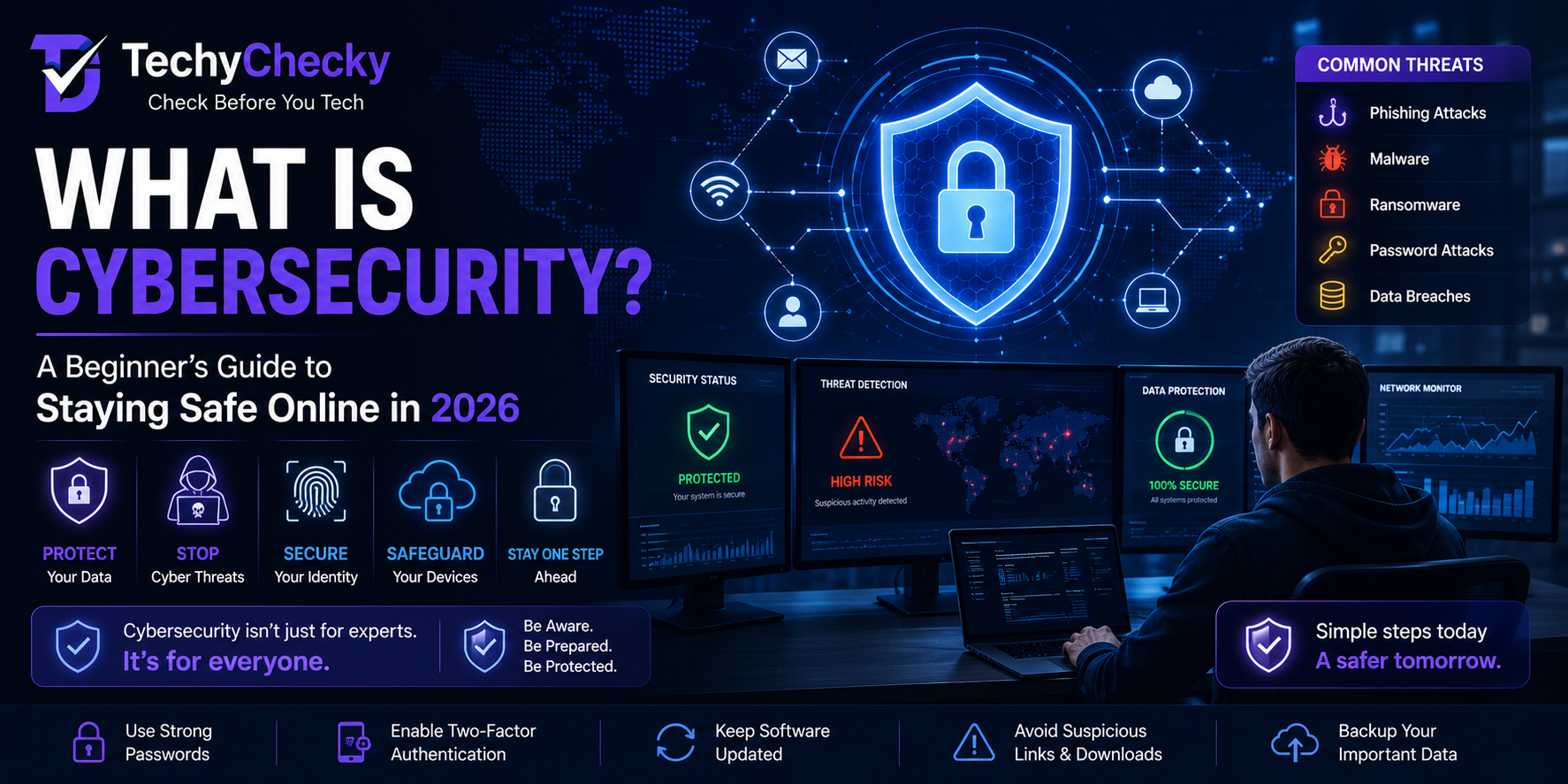
How to Stay Protected
Cybersecurity does not require advanced technical knowledge.
Simple habits can dramatically reduce your risk.
Recommended practices include:
- Use strong passwords
- Enable multi factor authentication
- Keep software updated
- Verify suspicious messages
- Avoid unknown downloads
- Backup important data regularly
Small actions often provide significant protection.
Why Cybersecurity Awareness Matters
Technology has made our lives easier, but it has also expanded opportunities for cybercrime.
The strongest security tool is often awareness.
People who understand common threats are far less likely to become victims.
Cybersecurity is no longer just an IT issue.
It is a personal responsibility for everyone who uses digital technology.
Final Thoughts
Cyber threats continue to evolve, but so do security tools and best practices.
By understanding common attack methods and developing safe online habits, individuals and businesses can significantly reduce their exposure to risk.
Cybersecurity is not about living in fear.
It is about staying informed and prepared.
The internet offers incredible opportunities, but protecting yourself requires awareness and smart decision making.
At TechyChecky.com, we help readers navigate the digital world safely and confidently.
Check Before You Tech.
#Cybersecurity, #CyberSecurityAwareness, #OnlineSafety, #CyberThreats