


Most people believe hackers only target celebrities, large corporations, or government organizations.
Unfortunately, that is not true.
Hackers often prefer targeting ordinary people because they are usually less protected. A weak password, an outdated device, or a careless click can be enough to compromise an account.
The good news is that you do not need to be a cybersecurity expert to protect yourself.
A few smart habits can significantly reduce your risk.
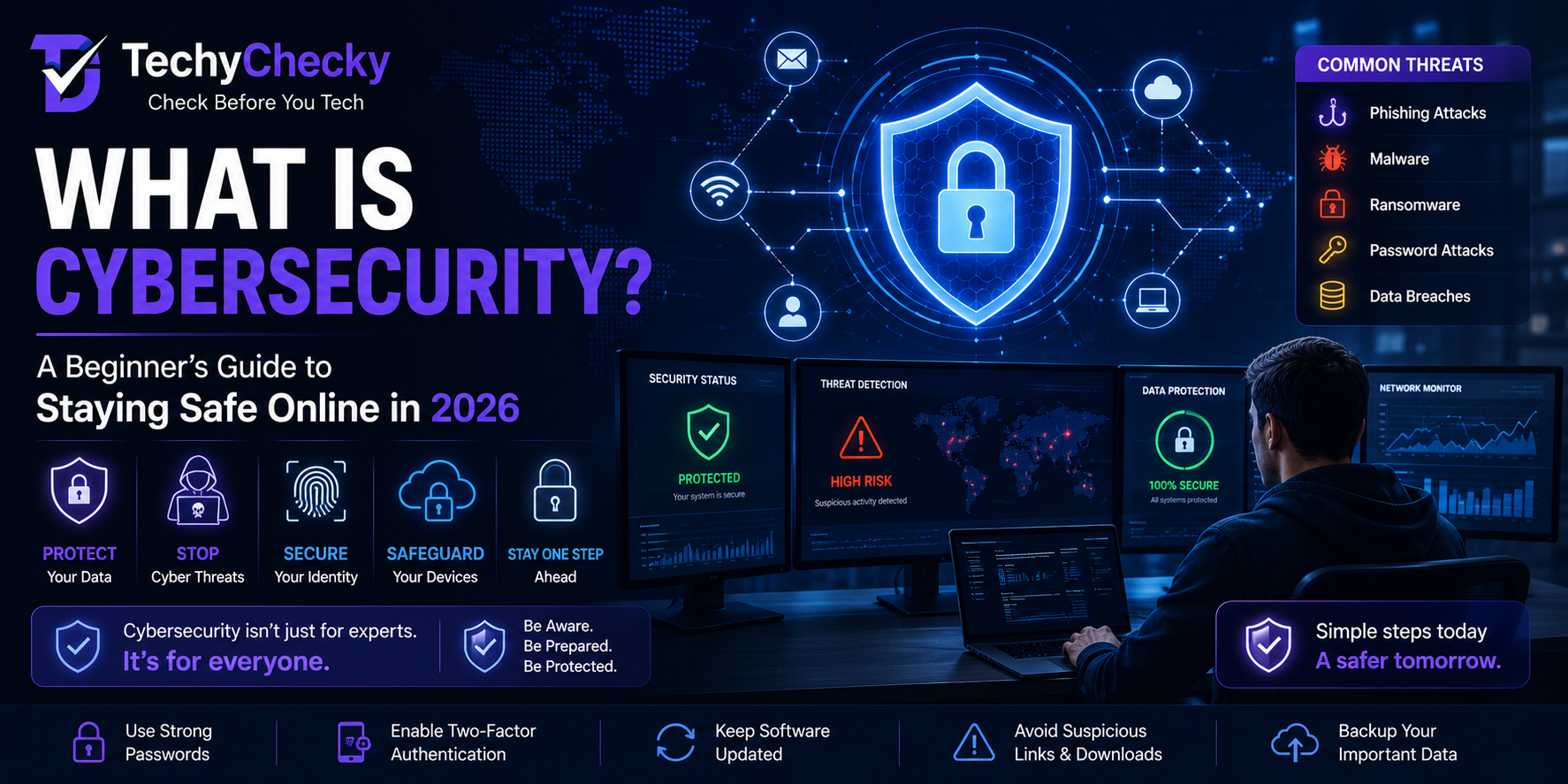
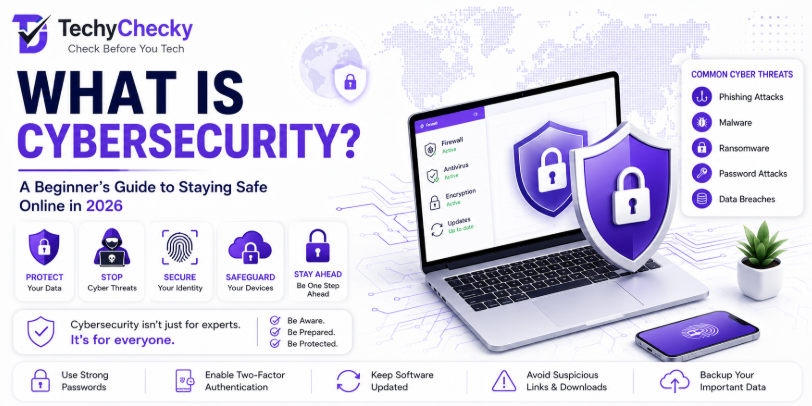
Here are 12 practical ways to stay safe online in 2026.
1. Use Strong Passwords
Your password is your first line of defense.
Avoid using:
- 123456
- password
- your name
- your birth date
Create passwords that are long, unique, and difficult to guess.
A strong password can prevent many attacks before they begin.
2. Turn On Two Factor Authentication
Even if a hacker steals your password, two factor authentication adds another layer of security.
You may receive:
- A verification code
- A mobile notification
- A biometric confirmation
This extra step makes unauthorized access much more difficult.
3. Update Your Devices Regularly
Software updates are not just about new features.
Many updates contain important security fixes.
Hackers often target known vulnerabilities in outdated software.
Keeping devices updated is one of the easiest ways to stay protected.
4. Think Before Clicking Links
Many cyberattacks begin with a simple click.
Be cautious when receiving:
- Unexpected emails
- Suspicious messages
- Unknown attachments
- Urgent requests
If something feels unusual, verify it before clicking.
5. Avoid Public WiFi for Sensitive Activities
Public WiFi networks are convenient but can be risky.
Avoid accessing:
- Online banking
- Financial accounts
- Sensitive business information
while connected to unsecured public networks.
6. Back Up Important Data
Imagine losing years of photos, documents, or business files overnight.
Regular backups provide protection against:
- Ransomware attacks
- Device failures
- Accidental deletion
A backup can save you from a major disaster.
7. Install Reliable Security Software
Security software can help identify threats before they cause damage.
Modern solutions can detect:
- Malware
- Spyware
- Suspicious activity
- Dangerous websites
Think of it as an additional layer of protection.
8. Be Careful What You Share Online
Cybercriminals often gather information from social media.
Sharing too much personal information can make you a target.
Limit the amount of sensitive information you publish publicly.
9. Watch for Fake Websites
Many fraudulent websites look almost identical to legitimate ones.
Before entering personal information, check:
- Website spelling
- Secure connection indicators
- Company details
Small differences can reveal a scam.
10. Monitor Your Accounts
Regularly review:
- Bank transactions
- Credit card activity
- Login history
- Account notifications
Early detection can prevent major damage.
11. Learn to Recognize Phishing Attempts
Phishing remains one of the most successful cybercrime methods.
Common warning signs include:
- Urgent language
- Suspicious links
- Requests for passwords
- Unexpected attachments
Awareness is one of the strongest defenses.
12. Stay Informed
Cyber threats evolve constantly.
What worked five years ago may not be enough today.
Following trusted cybersecurity resources helps you stay ahead of emerging threats.
Knowledge remains one of the most powerful security tools available.
The Reality of Cybersecurity
Many people think cybersecurity requires expensive software and advanced technical skills.
The truth is much simpler.
Most successful cyberattacks rely on human mistakes.
By developing safe habits and staying alert, you can significantly reduce your risk.
Cybersecurity is not about being paranoid.
It is about being prepared.
Final Thoughts
Hackers are constantly looking for easy targets.
The goal is not to become impossible to hack.
The goal is to become difficult enough that attackers move on to easier opportunities.
Simple actions such as using strong passwords, enabling two factor authentication, updating software, and thinking before clicking can make a huge difference.
In today’s digital world, cybersecurity is no longer optional.
It is a basic life skill.
At TechyChecky.com, we help readers make smarter technology decisions and stay safe online.
Check Before You Tech.
#Cybersecurity, #OnlineSafety #CyberSecurityAwareness